
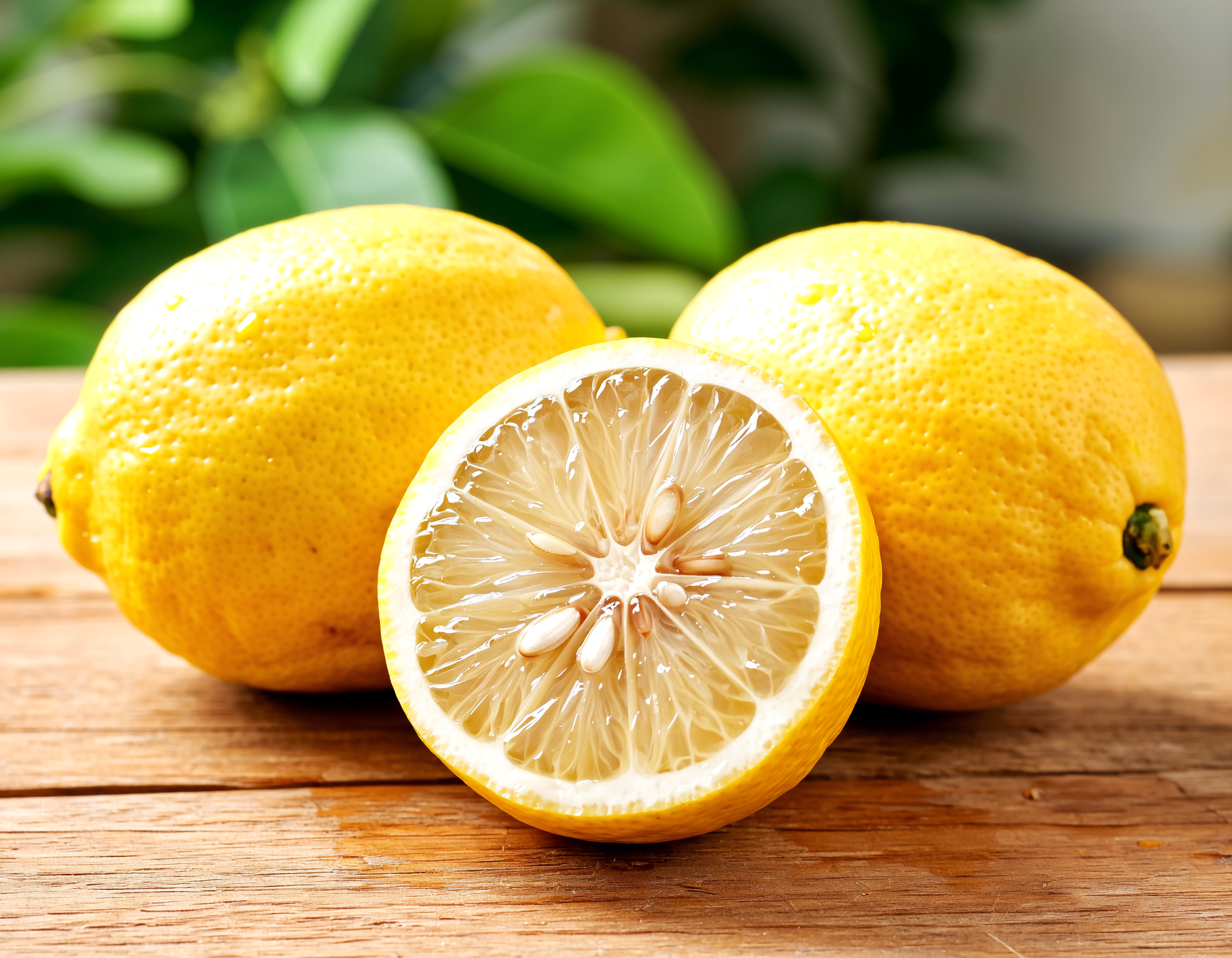
If you think all lemons taste the same, you haven’t experienced Assam Kaji Lemon, locally known as Kaji Nemu. This extraordinary citrus fruit from Northeast India is quietly becoming one of the most fascinating ingredients in the global culinary world. With its intense aroma, rich juice content, and unique flavor profile, this lemon has captured the attention of chefs, nutritionists, and food explorers alike.
Unlike the small, sharp lemons you commonly find in supermarkets, Kaji Nemu is larger, juicier, and far more aromatic, making it a standout citrus fruit. Food enthusiasts often describe its fragrance as a mix of lime, lemon, and bergamot, creating an unmistakable sensory experience.
The fruit’s importance goes beyond flavor. In 2019, Kaji Nemu received a Geographical Indication (GI) tag, recognizing its unique origin and characteristics tied specifically to Assam. And in 2024, the Assam government officially declared it the state fruit, highlighting its cultural and agricultural significance.
But why is this lemon suddenly gaining global attention? Is it just a regional curiosity, or could it actually be a new culinary superfruit? Let’s dive deeper into the fascinating story of this rare citrus treasure.
What Is Assam Kaji Lemon?
At its core, Kaji Nemu is a unique variety of lemon (Citrus limon) native to the Indian state of Assam. The fruit belongs to a group commonly referred to as Assam lemons, which include varieties such as Gol Nemu and Jora Tenga.

What makes Kaji Nemu special is its remarkable balance of flavor, fragrance, and versatility. While most lemons are intensely sour, this variety has a slightly milder tang combined with a strong citrus aroma. It is commonly used in traditional Assamese meals, where slices of the lemon are served alongside rice and curries to enhance flavor.
Beyond everyday cooking, the fruit also plays a role in cultural rituals and traditional remedies. Locals believe the lemon helps improve digestion and refresh the palate after heavy meals. Because of its strong fragrance and high juice content, it’s also widely used in pickles, drinks, and herbal preparations.
One interesting feature is that Kaji Nemu fruits often remain attached to the tree long after ripening, making harvesting easier and reducing waste. This natural durability contributes to its popularity among farmers.
In simple terms, if regular lemons are the background performers in cooking, Kaji Nemu is the star ingredient that transforms a dish.
Origins of Kaji Nemu in Northeast India
Northeast India is considered one of the natural homes of citrus diversity, hosting dozens of unique species and hybrids. Assam, in particular, has long been known for producing distinctive citrus fruits thanks to its humid climate and fertile soils.
Kaji Nemu has been cultivated in the region for generations, particularly in districts such as Dibrugarh, Golaghat, Nalbari, Cachar, Chirang, and Dima Hasao. Farmers in these areas have traditionally grown the lemon both for household consumption and local markets.
The fruit’s cultural significance is deeply rooted in Assamese life. In many households, it’s customary to serve freshly cut lemon slices with meals. The citrus aroma complements spicy curries and rice dishes, creating a balanced flavor experience.
Historically, Kaji Nemu was primarily consumed locally. But as food tourism and global curiosity about regional ingredients increased, the fruit began attracting attention beyond India. Its GI recognition and state fruit status have further strengthened its reputation as a unique agricultural product.
Why It Is Different From Regular Lemons
To understand the appeal of Kaji Nemu, it helps to compare it with the lemons most people are familiar with.
Unlike the round, small lemons commonly sold in grocery stores, Kaji Nemu is typically elongated and larger, weighing between 60 and 100 grams per fruit. It also has a thinner peel and contains a higher proportion of juice.
Another distinguishing feature is its strong aromatic profile. While typical lemons provide acidity, Kaji Nemu offers a layered citrus fragrance that enhances both savory and sweet dishes.
Perhaps the most surprising trait is that the fruit is often seedless or contains very few seeds, making it easier to use in cooking and beverages.
These characteristics combine to create a citrus fruit that chefs often describe as “lemon with personality.”
The Rising Global Popularity of Kaji Lemon
Over the past decade, the global food industry has developed a strong appetite for unique regional ingredients. From Japanese yuzu to Australian finger lime, rare citrus varieties are gaining international recognition.
Kaji Nemu is now joining that list.
A major turning point was its Geographical Indication (GI) registration in 2019, which protects the fruit’s authenticity and links it directly to its region of origin. This certification helps promote the fruit globally, much like Champagne in France or Darjeeling tea in India.
In addition, exports have started reaching markets such as London and the Middle East, creating new income opportunities for farmers.
As global chefs search for ingredients that deliver unique flavors, Kaji Nemu’s intense citrus aroma makes it an exciting discovery.
Unique Characteristics of Assam Kaji Lemon
One of the most fascinating aspects of this fruit is its distinct combination of physical and sensory characteristics.
Distinct Aroma and Flavor
If you slice open a Kaji Nemu (as said in assamies), the first thing you’ll notice is the fragrance. Unlike typical lemons that smell simply sour, this variety releases a complex citrus scent with floral notes.
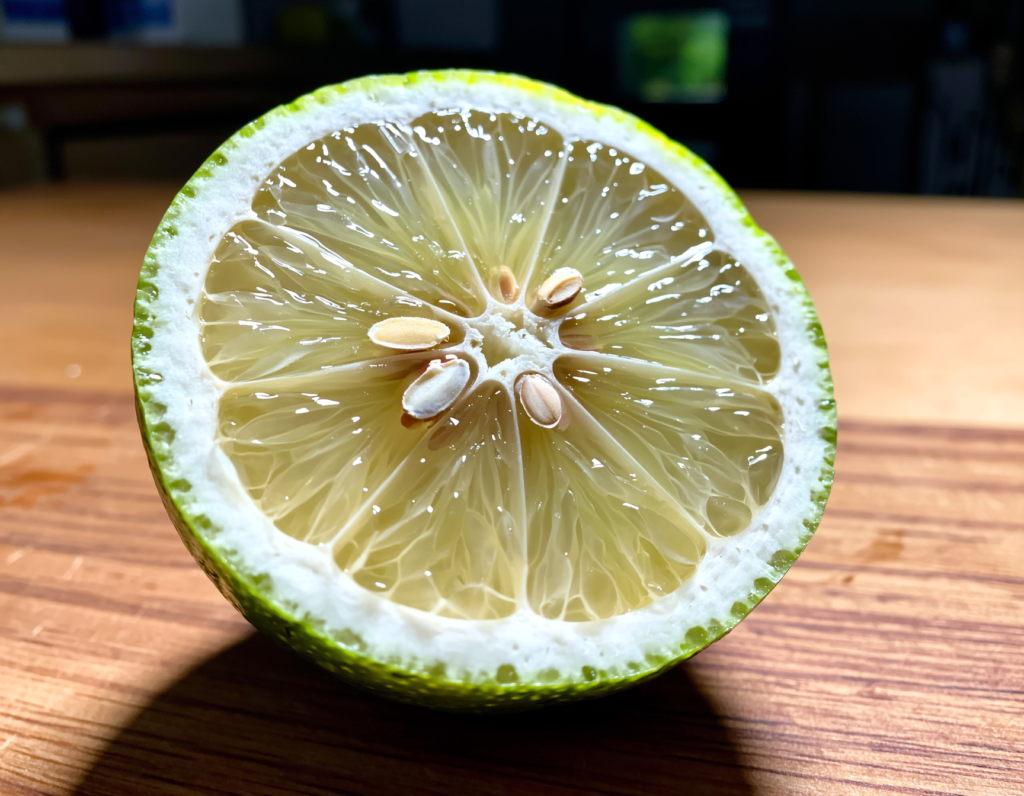
Food experts often describe it as a blend of:
- Lemon
- Lime
- Bergamot
- Mild sweetness
This aromatic complexity is what makes the fruit particularly appealing to chefs and mixologists.
Size, Shape, and Juice Content
Kaji Nemu lemons are typically:
- 7–9 cm long
- Oval or oblong in shape
- Thin-skinned with abundant juice
Each fruit can yield 22–25 ml of juice, which is significantly higher than many conventional lemon varieties.
Because of this high juice content, even a single fruit can flavor an entire dish.
Nutritional Profile of Assam Lemon
From a nutritional perspective, Kaji Nemu is more than just a flavor enhancer. It’s packed with essential nutrients that support overall health.
Vitamins and Minerals
The fruit contains several key nutrients including:
- Vitamin C
- Vitamin A
- Potassium
- Calcium
- Magnesium
- Iron
These nutrients contribute to immune health, bone strength, and proper metabolic function.
Antioxidants and Bioactive Compounds
Scientific studies show that Assam lemon contains bioactive compounds such as flavonoids, citric acid, and essential oils like limonene.
These compounds are known for their:
- Antioxidant effects
- Antimicrobial properties
- Potential therapeutic benefits
This is why some researchers consider the fruit a functional food with medicinal potential.
Health Benefits of Assam Kaji Lemon
Many traditional health practices in Northeast India use Kaji Nemu for its wellness benefits.
Boosting Immunity and Digestion

Like most citrus fruits, Kaji Nemu is rich in vitamin C, which helps strengthen the immune system and protect the body against infections. And is also widely used to support healthy digestion. Locals often squeeze lemon juice over meals to stimulate digestion and balance heavy foods.
Detox and Heart Health Support
The fruit’s antioxidants may help reduce oxidative stress in the body. Some studies also suggest citrus compounds can contribute to cholesterol management and cardiovascular health.
While it’s not a miracle cure, incorporating citrus fruits like Kaji Nemu into a balanced diet can contribute to overall wellness.
Cultural Importance in Assamese Cuisine
In Assam, Kaji Nemu isn’t just a fruit—it’s part of everyday life.
Many Assamese meals begin with a simple yet powerful ritual: a slice of lemon served alongside rice and curry. Diners squeeze the juice over the dish to enhance flavor and freshness.
The fruit is also used in:
- Pickles
- Fish curries
- Chutneys
- Herbal drinks
Its presence in traditional cuisine highlights how deeply it is woven into local culture.
Assam Kaji Lemon vs Regular Lemon
| Feature | Assam Kaji Lemon | Regular Lemon |
| Shape | Oval / elongated | Round |
| Seeds | Often seedless | Usually many seeds |
| Aroma | Very strong | Mild |
| Juice Content | Very high | Moderate |
| Cultural Role | Essential in Assamese cuisine | General cooking |
This comparison shows why chefs often prefer the Assamese lemon for flavor-focused dishes.
Future of the Kaji Lemon Industry
With GI protection and state recognition, the future looks bright for Kaji Nemu. Farmers are expanding cultivation, and global awareness is increasing.
Experts believe the fruit could become a premium export citrus similar to specialty varieties like yuzu.
As more consumers discover its aroma and flavor, the global demand for Assam lemon is likely to grow significantly.
Conclusion
Assam Kaji Lemon is far more than a regional citrus fruit. It’s a fascinating blend of culture, agriculture, nutrition, and culinary innovation. From traditional Assamese kitchens to international gourmet restaurants, this aromatic lemon is proving that even the simplest ingredients can have extraordinary stories.
With its unique fragrance, high juice content, and nutritional benefits, Kaji Nemu truly deserves its reputation as one of India’s most remarkable citrus treasures.
FAQs
1. What is Kaji Nemu?
Kaji Nemu is a unique lemon variety native to Assam, India, known for its strong aroma, high juice content, and slightly milder acidity compared to regular lemons.
2. Why is Assam Kaji Lemon famous?
It gained popularity due to its GI tag, strong citrus fragrance, culinary versatility, and recognition as the state fruit of Assam in 2024.
3. Is Kaji Nemu healthier than regular lemons?
Both are healthy, but Kaji Nemu contains high levels of vitamin C, antioxidants, and bioactive compounds that support immunity and digestion.
4. How is Kaji Lemon used in cooking?
It is used in pickles, curries, chutneys, beverages, seafood dishes, and as a garnish for rice and vegetables.
5. Where can you buy Assam Kaji Lemon?
It is commonly available in Northeast India and increasingly sold through specialty food stores and online exotic food retailers.
Ready to experience what Assam Kaji Lemon tastes like? Visit Our Shop and explore our carefully sourced Assam Kaji Lemon, along side other curated products.