What Is Black Rice and Why Is It Called Forbidden Rice?
Historical Significance of Black Rice
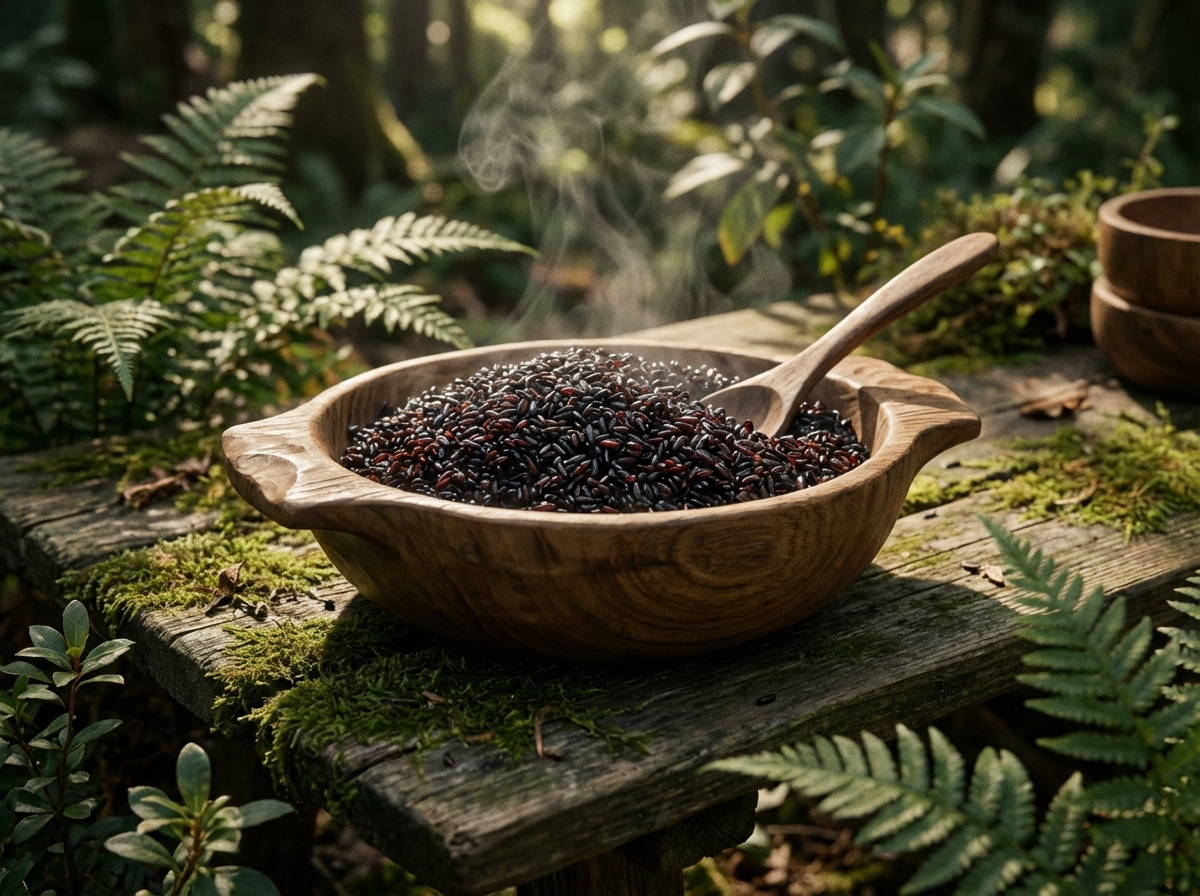
Black rice isn’t just another trendy grain—it carries centuries of history on its back. Often referred to as “forbidden rice,” this deep purple-black grain was once reserved exclusively for Chinese royalty. Common people weren’t allowed to consume it, not because it was rare, but because it was considered too valuable due to its health benefits. Imagine a grain so powerful that emperors kept it all to themselves—that’s the level of prestige we’re talking about.

This exclusivity wasn’t just about status; it was about survival and longevity. Ancient healers believed black rice could boost energy, enhance vitality, and even extend lifespan. Fast forward to today, and modern science is catching up with what ancient civilizations already knew. The same compounds that made it royal-worthy are now the reason nutritionists are recommending it globally.
Nutritional Composition Overview
Black rice stands out because of its dense nutritional profile. Unlike white rice, which is stripped of nutrients during processing, black rice retains its outer bran layer. This is where most of the magic happens. It’s packed with fiber, protein, iron, and powerful antioxidants called anthocyanins, the same compounds found in blueberries.
What makes it even more impressive is how balanced it is. You’re not just getting empty carbs—you’re getting a nutrient-rich fuel source that supports your body on multiple levels. That’s why adding black rice to your daily diet isn’t just a food choice—it’s a lifestyle upgrade.
Why Black Rice Is Trending as a Daily Superfood
Rise in Health Awareness
Let’s be honest—people today are way more health-conscious than they were even five years ago. With rising concerns about obesity, diabetes, and heart disease, there’s a massive shift toward functional foods—foods that don’t just fill you up but actively improve your health. Black rice fits perfectly into this category.
More people are reading labels, tracking macros, and looking for nutrient-dense alternatives. White rice, although popular, doesn’t offer much beyond carbohydrates. That’s where black rice steps in as a superior alternative.
Superfood Popularity in Modern Diets
Superfoods have become a buzzword, but not all of them live up to the hype. Black rice, however, earns its title. It combines ancient wisdom with modern nutritional science, making it appealing to both traditional and contemporary audiences.
Fitness enthusiasts, dieticians, and even influencers are promoting black rice as part of clean eating. Whether it’s for weight loss, muscle maintenance, or overall wellness, this grain is gaining serious traction—and for good reason.
Nutritional Profile of Black Rice
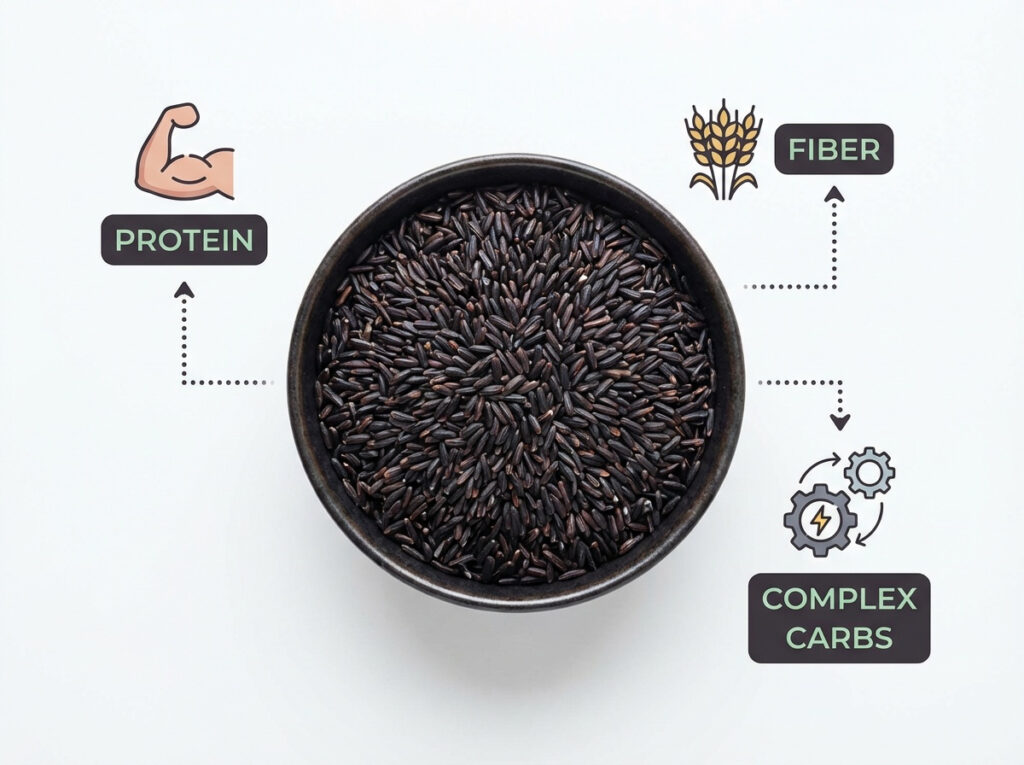
Macronutrients Breakdown
Black rice offers a well-balanced mix of macronutrients. A typical serving provides complex carbohydrates, moderate protein, and minimal fat. What sets it apart is its high fiber content, which plays a crucial role in digestion and satiety.
Unlike refined grains, black rice releases energy slowly, preventing spikes in blood sugar. This makes it ideal for sustained energy throughout the day, especially if you’re working out or managing weight.
Vitamins and Minerals Content
This grain is rich in essential minerals like iron, magnesium, and zinc. Iron is particularly important for oxygen transport in the blood, while magnesium supports muscle function and relaxation.
I It also provides B vitamins that play a crucial role in converting food into energy. So instead of just eating for calories, you’re feeding your body nutrients that actually matter.
Antioxidants and Anthocyanins
Here’s where black rice truly shines. The dark color comes from anthocyanins, powerful antioxidants that help fight inflammation and oxidative stress. These compounds have been associated with a lower risk of long-term illnesses, such as heart disease and cancer.
Think of anthocyanins as your body’s internal defense system, constantly working to repair and protect cells. Eating black rice daily means you’re giving your body a steady supply of these protective compounds.
Top Daily Benefits of Eating Black Rice
Boosts Heart Health
Your heart works 24/7, so it makes sense to fuel it properly. Black rice helps reduce bad cholesterol (LDL) while increasing good cholesterol (HDL). The antioxidants in black rice also prevent plaque buildup in arteries, improving overall cardiovascular health.
Supports Weight Loss
Trying to lose weight but struggling with hunger? Black rice might be your secret weapon. Its high fiber content keeps you full longer, reducing unnecessary snacking. It’s like having a natural appetite control system built into your meals.
Improves Digestion
Digestive health is often overlooked, but it’s the foundation of overall wellness. Black rice supports gut health by promoting healthy bowel movements and feeding beneficial gut bacteria.
Enhances Skin and Hair Health
Ever heard the phrase “you are what you eat”? Black rice proves it. The antioxidants help fight skin aging, reduce wrinkles, and improve overall skin texture. It also supports hair strength and growth.
Regulates Blood Sugar Levels
For anyone concerned about diabetes, black rice is a smarter carb choice. Its low glycemic index ensures steady blood sugar levels, avoiding spikes and crashes.
What Happens to Your Body When You Eat Black Rice Daily
Week-by-Week Changes
In the first week, you may notice improved digestion and reduced bloating. By the second week, energy levels start stabilizing, and you feel less sluggish. By the third week, many people report better satiety and fewer cravings.
It’s like upgrading your body’s internal system—slowly but steadily.
Long-Term Health Impact
Over time, the benefits compound. Improved heart health, better weight management, and stronger immunity become noticeable. It’s not an instant solution—it’s a lasting, sustainable transformation.
Black Rice vs White Rice vs Brown Rice

Nutritional Comparison Table
| Feature | Black Rice | Brown Rice | White Rice |
| Fiber | High | Medium | Low |
| Antioxidants | Very High | Low | None |
| Protein | Moderate | Moderate | Low |
| Glycemic Index | Low | Medium | High |
| Nutrient Density | Very High | Medium | Low |
How to Include Black Rice in Your Daily Diet
Easy Meal Ideas
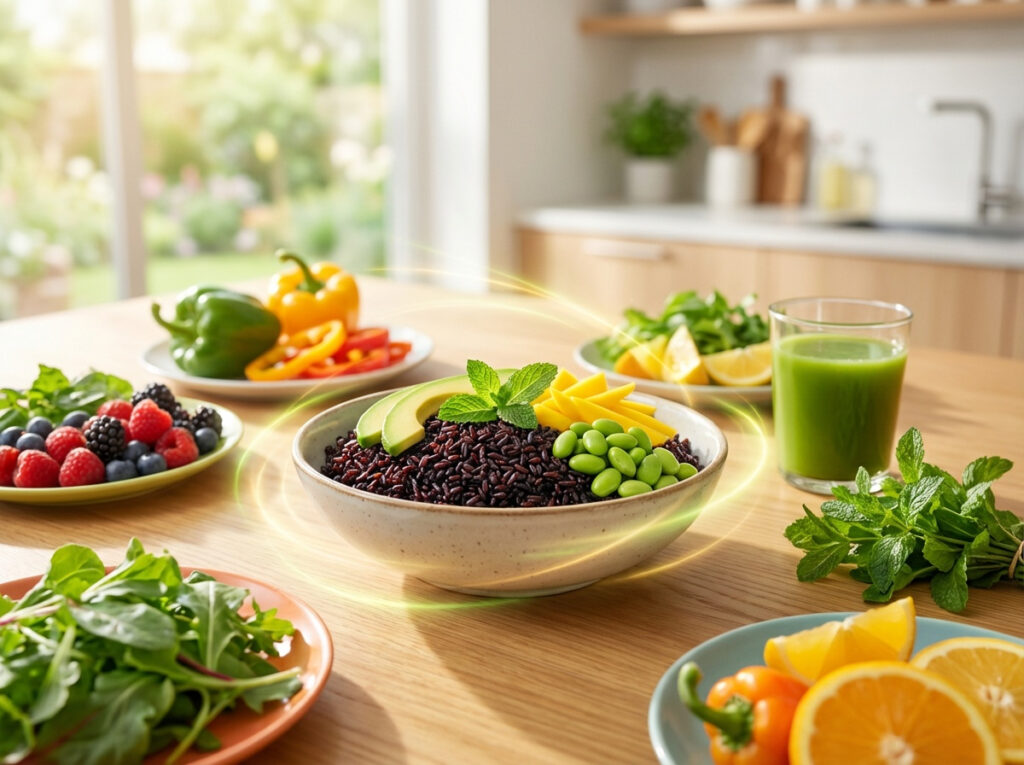
You don’t need to reinvent your diet. Simply replace white rice with black rice in your meals. Use it in biryani, stir-fries, or even salads. Its mildly nutty taste enhances the richness and complexity of any dish.
Portion Size Recommendations
Stick to moderate portions—about one cup cooked per meal. Balance it with protein and healthy fats for a complete meal.
Are There Any Side Effects of Eating Black Rice Daily?
Black rice is typically safe to include in your daily diet.. However, overconsumption may lead to digestive discomfort due to its high fiber content. Always introduce it gradually into your diet.
Who Should Eat Black Rice Daily?
Anyone looking to improve their health can benefit from black rice. It’s especially useful for people managing weight, blood sugar, or heart health. Athletes and fitness enthusiasts can also use it as a clean energy source.
Conclusion
Black rice isn’t just another food trend—it’s a powerful, nutrient-dense grain that has stood the test of time. From ancient royalty to modern nutrition plans, its journey is nothing short of remarkable. Making it a daily habit can lead to meaningful, long-term health improvements without drastic lifestyle changes.
FAQs
1. Is it okay to eat black rice every day?
Yes, it’s safe and beneficial when consumed in balanced portions.
2. Is black rice better than brown rice?
Nutritionally, black rice has higher antioxidants, making it a superior choice.
3. Does black rice help in weight loss?
Yes, due to its high fiber and satiety levels.
4. How long does black rice take to cook?
Typically 30–40 minutes, depending on soaking.
5. Is black rice suitable for diabetics?
Yes, its low glycemic index makes it a smart and healthy choice.
Ready to experience what indian exotic foods are all about? Visit Our Shop and explore our carefully sourced Assam Kaji Lemon, along side other curated products.