The Global Rise of Himalayan Pink Salt
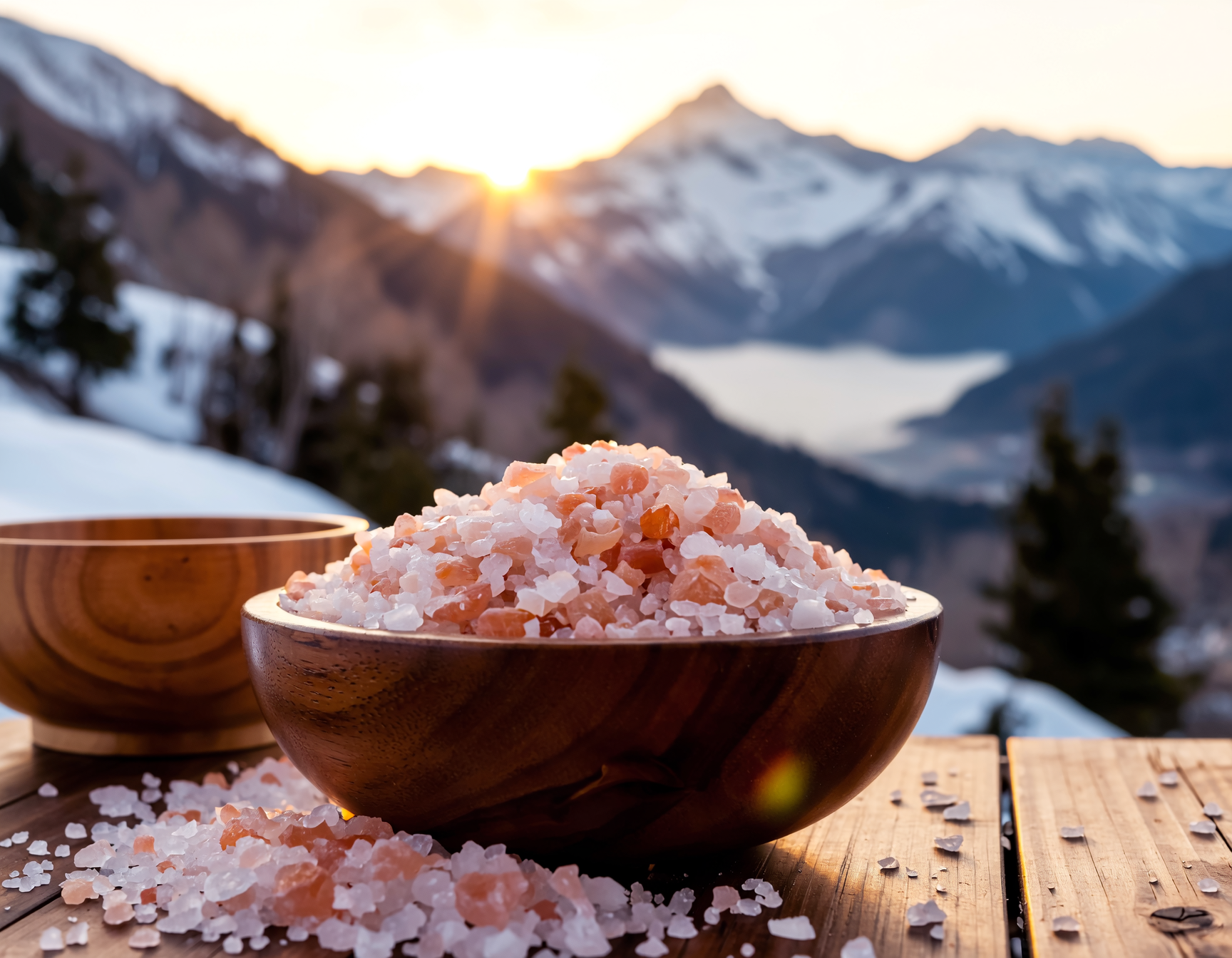
Walk into almost any modern kitchen today, and you’ll likely find a jar of Himalayan pink salt sitting proudly next to regular table salt. Over the past two decades, this vibrant pink crystal has gone from being an obscure mineral to a global culinary sensation. Chefs, nutrition enthusiasts, and wellness influencers often promote it as a more natural and flavorful alternative to conventional salt. From gourmet restaurants to home kitchens, pink salt has become a symbol of premium cooking and natural ingredients.

Part of the fascination comes from its appearance. Unlike ordinary white table salt, Himalayan pink salt has a striking pink or reddish hue that instantly makes dishes look more sophisticated. However, its charm extends well beyond its visual appeal. Consumers today are increasingly drawn to ingredients that feel authentic and minimally processed. Pink salt fits perfectly into that narrative, as it is often marketed as a raw mineral harvested directly from ancient geological formations.
The global demand for pink salt has surged dramatically. Today it is exported worldwide and used not only in cooking but also in wellness products, spa treatments, and decorative items. Pakistan, the primary producer of Himalayan salt, exports millions of tons annually to international markets.
What’s truly fascinating is that behind this simple kitchen staple lies a story that stretches across hundreds of millions of years of geological history. The journey of pink salt begins long before humans even existed, in an ancient ocean that once covered much of South Asia.
The Ancient Origins of Pink Salt
A Geological Story 250 Million Years in the Making
The story of Himalayan pink salt begins deep in the Earth’s geological past. Scientists believe that the salt deposits found today were formed more than 250 million years ago, during a time when much of the region was submerged beneath ancient oceans.
Over millions of years, these oceans gradually evaporated, leaving behind massive beds of crystallized salt and minerals. As tectonic plates shifted and the Himalayas began to rise, the salt deposits became trapped beneath layers of rock and sediment. This natural burial process protected the salt from environmental pollution and contamination, preserving it in an almost pristine form.
Imagine a vast prehistoric ocean slowly drying under the sun. As the water disappears, the dissolved minerals crystallize and settle into thick layers along the seabed. Over time, these layers harden into rock salt. When the Indian tectonic plate collided with the Eurasian plate and the Himalayas began to form, the salt beds were pushed upward into mountainous regions.
This geological drama essentially locked away massive reserves of salt underground. Millions of years later- humans would discover these deposits and begin mining them. The crystals that reach your dinner table today are essentially tiny time capsules from an ancient ocean.
The Ancient Seas That Created the Salt Deposits
The minerals responsible for pink salt’s color and character come from the unique environment in which the salt formed. While the majority of the crystal consists of sodium chloride, small amounts of other minerals such as iron, potassium, magnesium, and calcium became trapped in the salt as it crystallized.
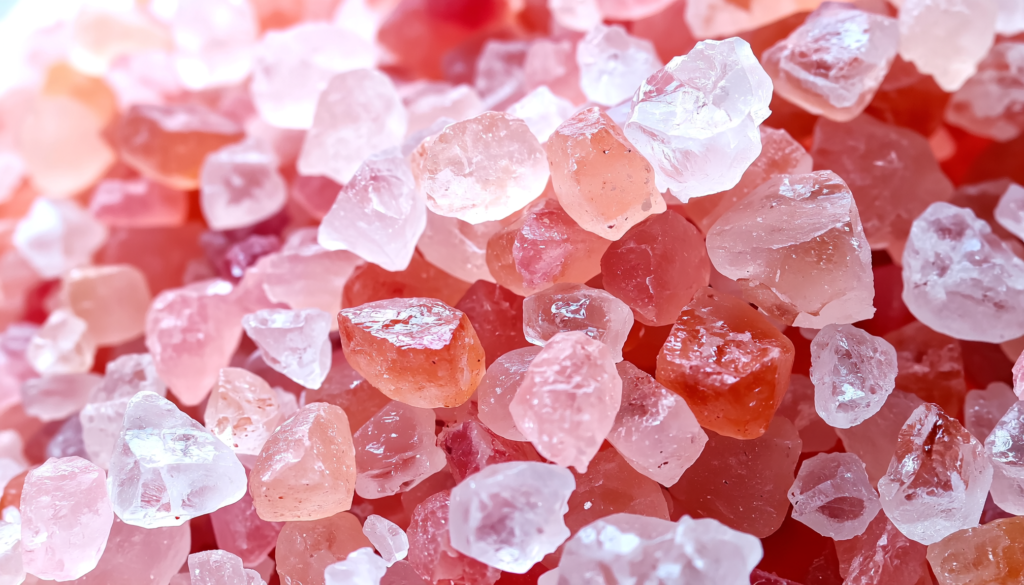
These trace minerals are what give pink salt its distinctive colors, ranging from pale rose to deep reddish-orange. Iron compounds are particularly responsible for the pink hue that has made the salt famous.
Even though these minerals are present only in very small quantities, they play an important role in shaping the salt’s identity. Without them, pink salt would look just like ordinary white salt. Instead, these tiny impurities create the vibrant color that chefs and food lovers recognize instantly.
Discovery of the Legendary Salt Deposits
The Alexander the Great Legend
One of the most captivating stories associated with Himalayan salt involves Alexander the Great, the legendary Macedonian conqueror. According to historical accounts, the salt deposits were discovered around 326 BC during Alexander’s military campaign in South Asia.
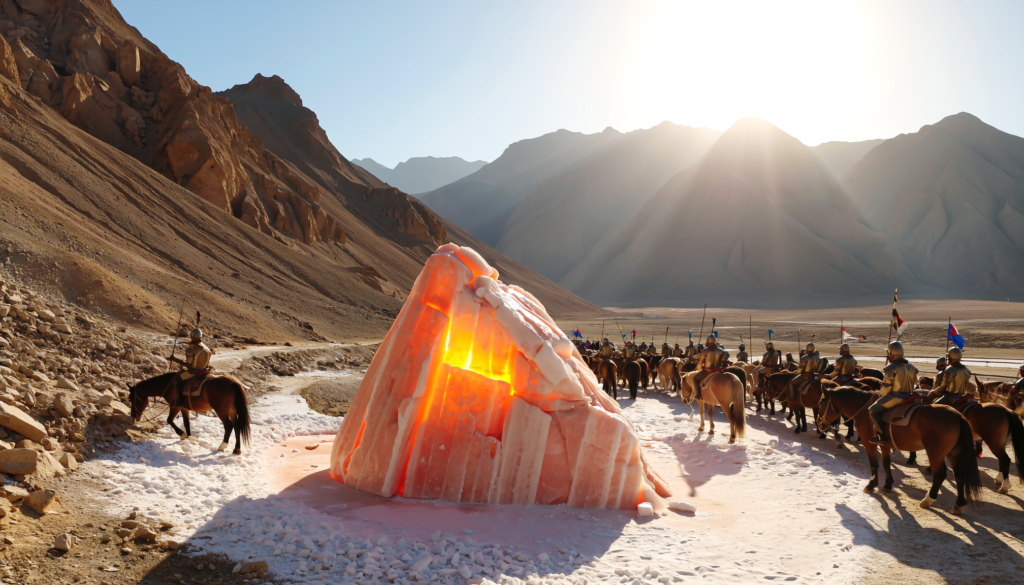
The story goes that Alexander’s army stopped to rest in the region that is now part of Pakistan. Soldiers noticed something unusual: their horses were licking the rocks scattered across the ground. Curious about this strange behavior, the soldiers examined the rocks and realized they were made of salt.
This accidental discovery revealed vast salt deposits hidden within the mountains. Over time, the region became known for its abundant rock salt reserves. Though historians debate the exact details of this story, the legend remains a fascinating part of pink salt’s cultural heritage.
Early Trade and Historical Use
Long before pink salt became a modern gourmet ingredient, it was already an important resource in local economies. During the Mughal era and later under British colonial rule, salt mining expanded significantly in the region. The British engineer H. Warth helped modernize the mine in the late 19th century, improving tunnels and mining infrastructure.
Salt was an incredibly valuable commodity in ancient times. In fact, it was once so precious that it was used as a form of currency in some civilizations. Access to reliable salt deposits often determined trade routes and economic power.
Over the centuries, the mines became an important industrial site, supplying salt not only for food preservation and cooking but also for various industrial uses.
The Khewra Salt Mine: The Birthplace of Pink Salt
The World’s Second-Largest Salt Mine
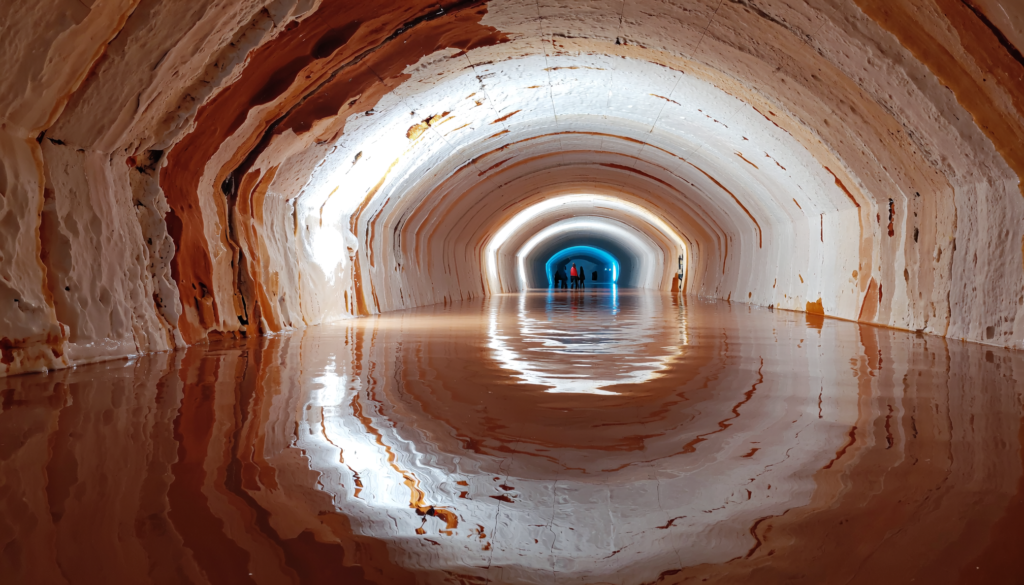
Today, most Himalayan pink salt comes from the Khewra Salt Mine, located in Pakistan’s Punjab province. This enormous underground mine is the second-largest salt mine in the world and one of the most famous sources of rock salt globally.
The mine sits within the Salt Range, a series of hills formed by ancient geological activity. Beneath these hills lies a vast labyrinth of tunnels filled with pink salt crystals.
The mine itself is an incredible sight. It contains multiple underground levels and kilometers of tunnels carved into the rock. Visitors can even take guided tours through parts of the mine, where massive salt chambers glow with natural pink hues.
Production and Mining Scale
The scale of production at the Khewra mine is enormous. The mine produces roughly 350,000 to 400,000 tons of salt every year, making it one of the most productive salt deposits on Earth.
Even more impressive is the size of the remaining reserves. Estimates suggest that the mine contains anywhere from 82 million to over 600 million tons of salt, meaning it could continue producing salt for centuries.
This massive supply ensures that Himalayan pink salt will likely remain available for generations to come.
How Himalayan Pink Salt Is Mined
Traditional Hand-Mining Techniques
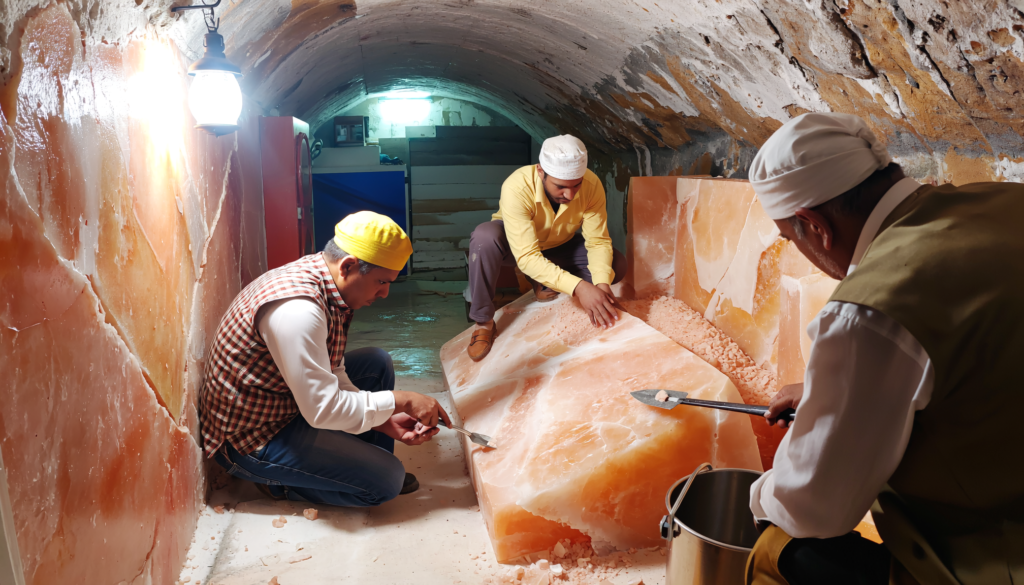
Despite modern industrial advances, much of the pink salt mining process still relies on traditional methods. Workers typically extract the salt by carefully cutting large blocks from the rock walls inside the mine. These blocks are then broken down into smaller pieces and transported out of the tunnels.
One fascinating aspect of the mining process is the “room and pillar” technique. Miners remove only about half of the salt deposits, leaving the rest behind to support the structural integrity of the tunnels. This approach ensures that the mine remains stable while also preserving resources for future generations.
The salt blocks are later crushed, sorted, and processed into various forms such as fine salt, coarse crystals, cooking slabs, and decorative items.
Sustainable Extraction Practices
The mining industry around pink salt has increasingly adopted sustainable practices. Because the deposits are massive and extraction rates are relatively controlled, the environmental impact remains limited compared to many other types of mining operations.
Additionally, much of the salt is still harvested manually, which reduces the need for heavy industrial machinery. This not only protects the geological structure of the mine but also preserves traditional mining techniques that have been used for generations.
Why Pink Salt Is Pink
Trace Minerals and Iron Content
One of the most recognizable features of Himalayan salt is its beautiful pink color. This color comes from trace minerals, particularly iron compounds, trapped within the crystal structure of the salt.
Different layers within the mine contain slightly different mineral concentrations. As a result, the salt crystals can range in color from light pink to deep reddish tones.
Mineral Composition Explained
Chemically speaking, Himalayan salt is still primarily sodium chloride—just like regular table salt. In fact, analyses show that it typically contains 96–99% sodium chloride, with the remaining fraction consisting of trace minerals.
These minerals include:
-
- Calcium
-
- Magnesium
-
- Potassium
-
- Zinc
-
- Iron
While the mineral content adds interesting color and subtle flavor variations, the nutritional impact is relatively small because the quantities are extremely low.
Pink Salt vs Regular Salt
Nutritional Comparison
Many people believe Himalayan pink salt is significantly healthier than regular salt. However, scientific studies suggest that the nutritional differences are minimal.
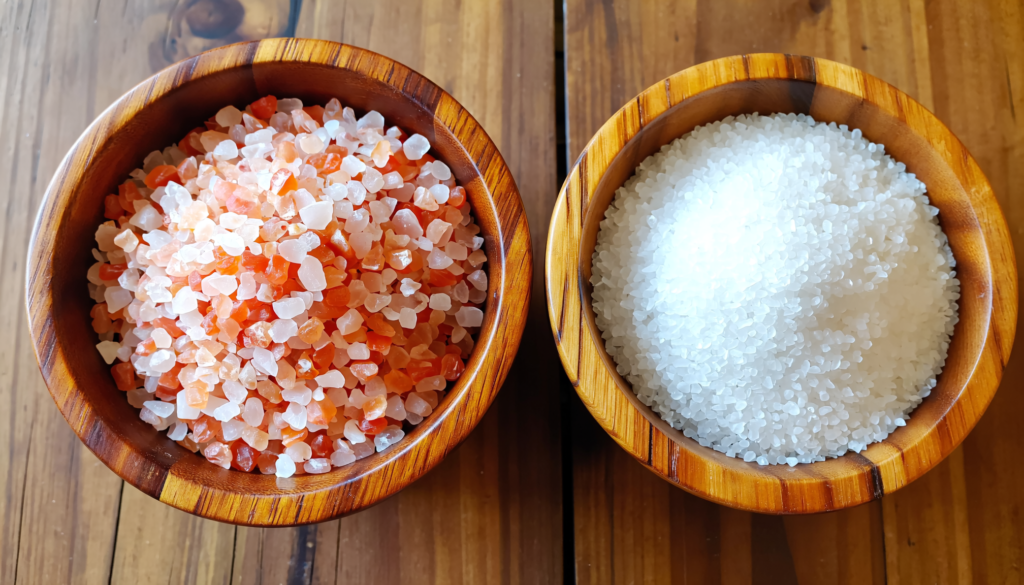
| Feature | Pink Himalayan Salt | Regular Table Salt |
| Sodium Chloride | 96–99% | ~97–99% |
| Trace Minerals | Small amounts | Very minimal |
| Processing | Minimal | Often refined |
| Additives | Usually none | Often contains anti-caking agents |
Despite the trace minerals present in pink salt, the quantities are too small to provide significant health benefits through normal dietary consumption.
The Truth Behind Health Claims
While pink salt has become associated with wellness trends, many health claims are exaggerated. Some marketing suggests that it detoxifies the body or provides large amounts of essential minerals, but scientific evidence does not support these claims.
At the end of the day, salt is still salt. Whether it’s pink or white, the main component remains sodium chloride, which should be consumed in moderation.
Culinary Uses of Himalayan Pink Salt
Cooking Applications Around the World
Despite the myths surrounding its health benefits, pink salt remains extremely popular in the culinary world. Chefs often prefer it because of its texture, flavor, and visual appeal.
Common culinary uses include:
-
- Seasoning meats and vegetables
-
- Finishing salt for gourmet dishes
-
- Salt crust cooking
-
- Pickling and brining
Because it is less refined, pink salt often has a slightly more complex taste than ordinary table salt.
Gourmet and Restaurant Trends
In upscale restaurants, Himalayan salt is sometimes used in dramatic ways. Large slabs of pink salt can be heated and used as cooking surfaces, allowing chefs to sear meats or seafood directly on the mineral block.
These salt slabs slowly release salt into the food while cooking, creating a subtle seasoning effect.
Beyond the Kitchen: Alternative Uses
Salt Lamps, Spa Therapy, and Decor
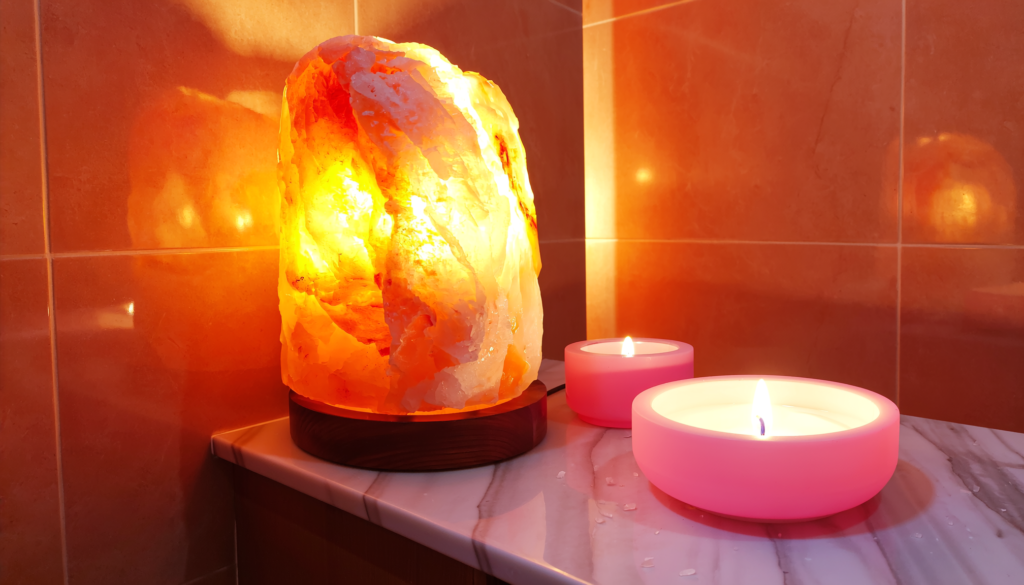
Pink salt isn’t limited to cooking. It has also become popular in the wellness and home decor industries. One of the most recognizable products is the Himalayan salt lamp, which glows with a warm orange light.
Salt blocks are also used in spas and therapy rooms. Some wellness centers offer “salt therapy” or halotherapy, where people breathe in air containing salt particles.
Wellness Culture and Pink Salt
These alternative uses have helped transform pink salt into a lifestyle product rather than just a kitchen ingredient. From bath salts to decorative candle holders, the mineral has found its way into many aspects of modern wellness culture.
However, many of the health claims associated with these products remain unproven scientifically.
The Future of Himalayan Pink Salt
Sustainability and Global Trade
The global market for Himalayan pink salt continues to grow each year. As more people seek natural and minimally processed foods, the demand for rock salt products is likely to remain strong.
However, political and trade dynamics can influence the supply chain. For example, trade restrictions between countries can temporarily disrupt imports and exports of pink salt.
The Role of Pink Salt in Modern Food Culture
Despite these challenges, pink salt has firmly established itself as one of the most recognizable gourmet ingredients in the world. Its unique color, ancient origins, and fascinating history make it far more than just another seasoning.
From prehistoric oceans to modern kitchens, the journey of pink salt is truly extraordinary.
Conclusion
Himalayan pink salt is much more than a trendy kitchen ingredient. Its story stretches back hundreds of millions of years to ancient oceans that once covered parts of South Asia. Formed through geological forces and discovered by humans thousands of years ago, the salt has traveled an incredible journey from underground mines to dining tables around the world.
While many health claims surrounding pink salt are exaggerated, its natural beauty, mineral composition, and rich history continue to captivate chefs and consumers alike. Whether sprinkled over a gourmet dish or displayed as a glowing salt lamp, this ancient mineral remains one of the most fascinating ingredients in modern culinary culture.
FAQs
1. Where does Himalayan pink salt actually come from?
Most Himalayan pink salt comes from the Khewra Salt Mine in Punjab, Pakistan, one of the world’s largest salt mines.
2. Why is Himalayan salt pink?
The pink color comes from trace minerals, especially iron compounds, trapped within the salt crystals.
3. Is pink salt healthier than regular salt?
Not significantly. Both contain mostly sodium chloride, and the minerals in pink salt are present in very small amounts.
4. How old are the pink salt deposits?
The salt deposits are believed to be around 250 million years old, formed from ancient evaporated seas.
5. Can Himalayan salt run out?
Unlikely anytime soon. Estimates suggest the Khewra mine contains hundreds of millions of tons of salt, enough to last for centuries.
Ready to experience the purity of Himalayan pink salt yourself? Visit Our Shop and explore our carefully sourced pink salt product, along side other curated products.