
What Is Jaggery? Understanding This Traditional Sweetener
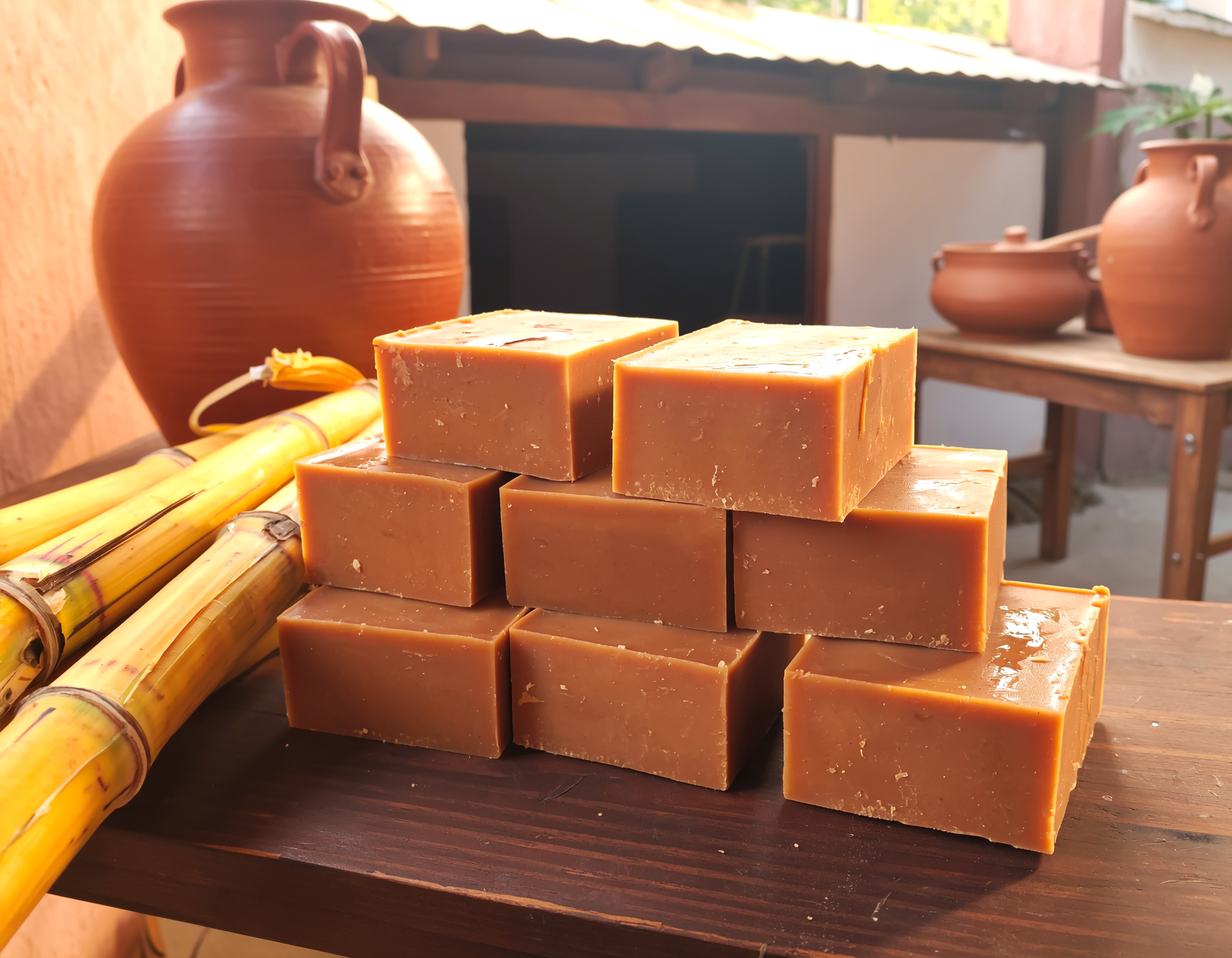
Jaggery is one of the oldest sweeteners known to humans. Long before refined white sugar took over supermarket shelves, communities across Asia, Africa, and the Middle East relied on jaggery to sweeten their foods and drinks. Often called “nature’s sugar,” jaggery is produced by boiling sugarcane juice or palm sap until it thickens and solidifies into golden-brown blocks or powder. Unlike refined sugar, which undergoes heavy chemical processing, jaggery remains largely unrefined and retains many natural nutrients.
Across India, jaggery is commonly known as “gur.” It has been used for centuries not just as a sweetener but also as a traditional remedy in Ayurveda and home remedies. Many families still eat a small piece of jaggery after meals to help digestion and provide a gentle energy boost.
This sweetener is now experiencing a global comeback. Health-conscious consumers are increasingly searching for natural alternatives to refined sugar, and jaggery fits perfectly into that trend. In fact, the global jaggery market was valued at around $4.2 billion in 2023 and is expected to reach about $7.5 billion by 2032, showing strong growth as more people shift toward traditional and minimally processed foods.
What makes jaggery so appealing today is its simplicity. It’s not just sugar—it’s sugar in its more natural form, carrying traces of minerals and compounds that refined sugar completely loses during processing.
How Jaggery Is Made from Sugarcane or Palm Sap
The process of making jaggery is surprisingly simple, which is one reason it retains its natural nutrients. Fresh juice from sugarcane or sap from palm trees is collected and filtered to remove impurities. The liquid is then boiled in large pans until the water evaporates and the syrup thickens into a dense caramel-like consistency.

As the mixture cools, it solidifies into blocks, cakes, or powdered jaggery. This traditional method requires minimal industrial processing, meaning the final product still contains trace minerals and plant compounds from the original juice. According to food studies, jaggery contains higher mineral content and ash levels compared to refined sugar, reflecting its less processed nature.
Different regions produce different types of jaggery depending on the raw material used. Sugarcane jaggery is the most common in India, while palm jaggery is popular in Southeast Asia. Palm-based versions are often darker and have a slightly smoky flavor.
The beauty of jaggery lies in its simplicity and authenticity. Instead of going through multiple stages of refining, bleaching, and crystallization like white sugar, jaggery remains close to its natural state. That difference plays a major role in why many nutrition experts consider it a better alternative.
Types of Jaggery Available Today
Jaggery isn’t a one-size-fits-all ingredient. Walk into a traditional market or modern organic store, and you’ll find several forms of this sweetener. Each type offers a slightly different taste, texture, and culinary use.
The most familiar form is solid jaggery blocks, often sold in round or rectangular shapes. These are commonly used in traditional Indian sweets, curries, and beverages. Another popular option is jaggery powder, which is simply grated or powdered jaggery. This version dissolves quickly and is easier to use in baking or tea.
Liquid jaggery is another interesting variant gaining popularity. It has a thick syrup-like consistency and works well in desserts and beverages. The global liquid jaggery market alone is expected to grow significantly, reaching nearly $852 million by 2033 as demand increases for natural sweeteners.
Different raw materials also influence the type of jaggery produced. Sugarcane jaggery is common in India, while coconut and palm jaggery are widely used across Southeast Asia and the Middle East. Palm sugar, for example, is made by boiling the sap collected from palm flower buds until it thickens and crystallizes.
This variety means jaggery isn’t just a replacement for sugar—it’s an ingredient that brings unique flavors and textures to cooking.
Why Refined Sugar Became So Popular
Refined white sugar dominates modern diets, but that wasn’t always the case. Historically, sweeteners like honey, dates, and jaggery were far more common. The rise of refined sugar is largely tied to industrialization and the mass production of food.
White sugar became popular because it’s cheap, easy to produce in large quantities, and extremely stable on store shelves. Large sugar refineries process raw sugarcane juice through multiple steps, including clarification, crystallization, and bleaching, to produce the pure white crystals we see today.
The problem is that this refining process strips away almost everything except sucrose. What remains is essentially pure empty calories with no meaningful nutritional value. Jaggery, on the other hand, retains small amounts of minerals and plant compounds because it bypasses most of these processing steps.
Over time, the food industry adopted refined sugar in thousands of products—from soft drinks to breakfast cereals—making it one of the most widely consumed ingredients in the world. Unfortunately, this shift has also been linked to rising health concerns such as obesity, diabetes, and metabolic disorders.
Jaggery vs Sugar: What’s the Real Difference?
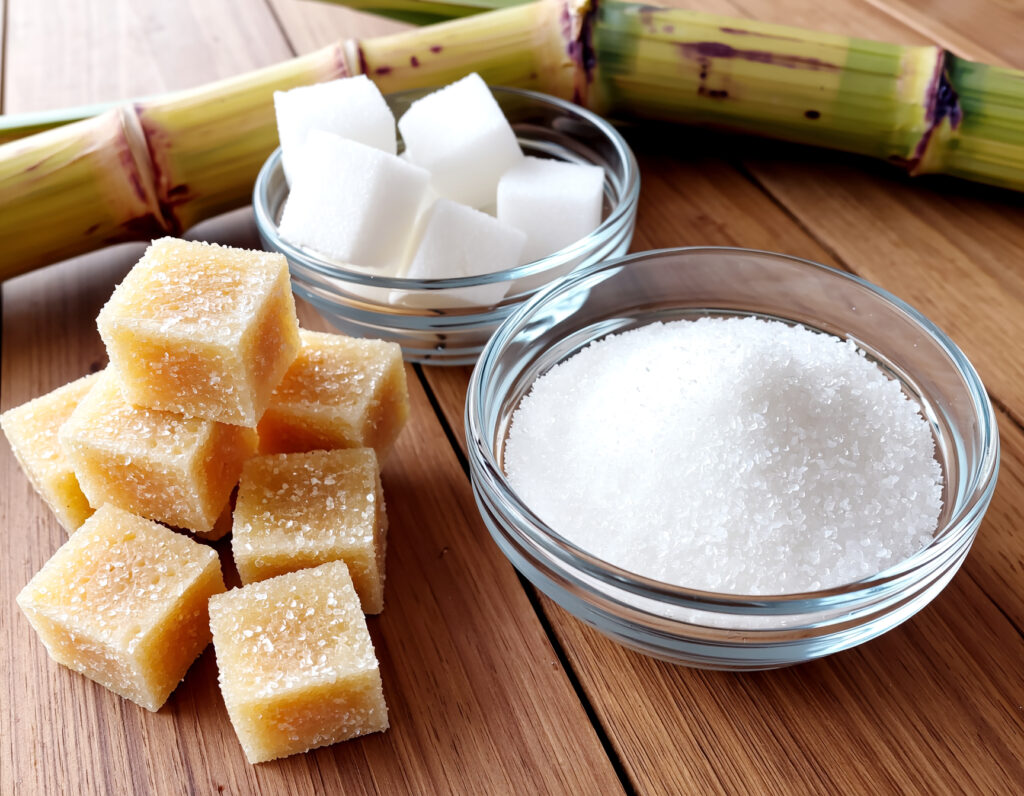
When people ask whether jaggery is healthier than sugar, the answer isn’t as simple as it might seem. Both sweeteners contain calories and carbohydrates, and the body ultimately breaks them down into glucose. However, their nutritional profiles differ significantly.
The main distinction comes down to how the product is processed and how many nutrients are preserved during that process.. Refined sugar is highly purified sucrose with virtually no vitamins or minerals. Jaggery, on the other hand, retains trace minerals because it is minimally processed.
Nutritional Comparison
| Nutrient (per 100g) | Jaggery | Refined Sugar |
| Calories | ~383 | ~387 |
| Protein | 0.4 g | 0 g |
| Fiber | 0.6 g | 0 g |
| Iron | High | Very Low |
| Calcium | Present | Minimal |
| Potassium | Present | Minimal |
Studies show jaggery contains minerals such as iron, calcium, potassium, magnesium, and phosphorus, while refined sugar contains almost none of these nutrients.
These small nutritional differences don’t turn jaggery into a health food, but they do make it a more nutrient-dense option compared with refined sugar.
Top Health Benefits of Using Jaggery Instead of Sugar
Rich Source of Essential Minerals
One of the biggest advantages of jaggery is its mineral content. Unlike refined sugar, which offers little beyond sweetness, jaggery retains minerals from the sugarcane or palm sap it comes from. These minerals include iron, calcium, magnesium, potassium, and phosphorus.
Iron is particularly important because it helps the body produce hemoglobin and transport oxygen in the blood. In many traditional diets, jaggery has been used as a simple remedy to help prevent mild iron deficiency. This is one reason why jaggery-based sweets are often recommended during winter months or periods of fatigue.
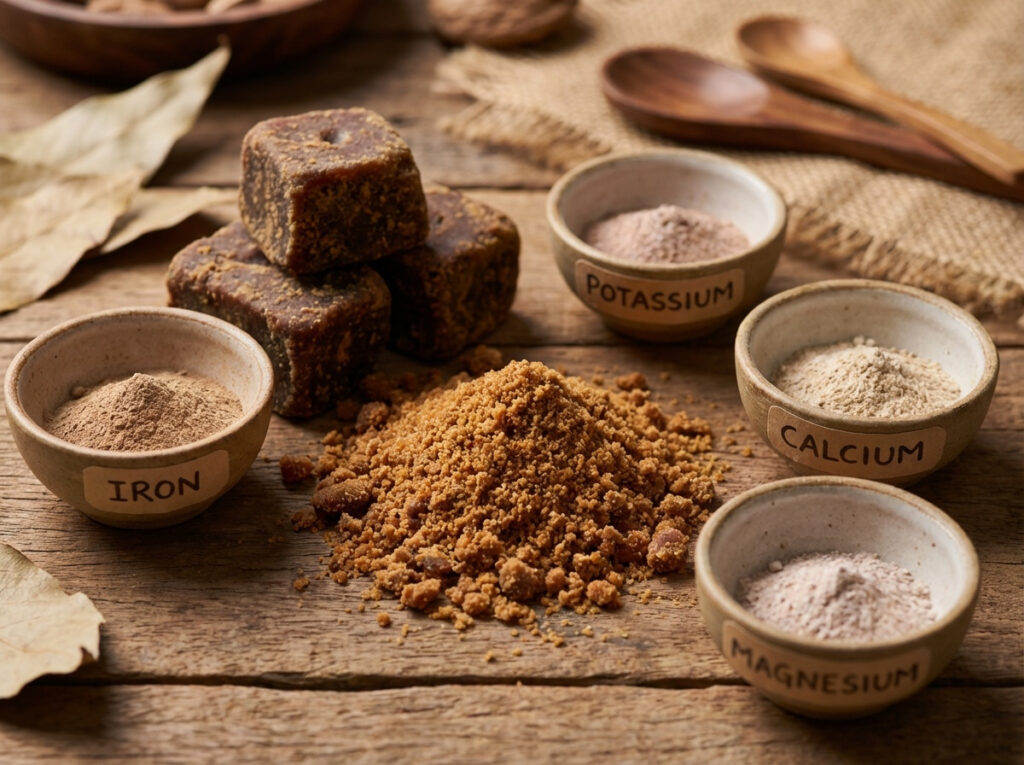
While the mineral content in jaggery isn’t enough to replace a balanced diet, it does add small nutritional value to foods that would otherwise be purely sugary.
Supports Digestion and Gut Health
In many Indian households, eating a small piece of jaggery after meals is a long-standing tradition. The reason behind this practice lies in jaggery’s ability to stimulate digestive enzymes. These enzymes help break down food more efficiently, reducing issues like bloating or indigestion.
Some traditional medicine systems also describe jaggery as a mild detoxifying agent that supports liver function and helps remove toxins from the body. Because it contains trace minerals and antioxidants, jaggery may also help improve overall metabolic health when consumed in moderation.
Provides Sustained Energy
Ever notice how eating refined sugar can give you a quick burst of energy followed by a crash? That roller-coaster effect is one reason many people are turning to jaggery instead.
Although jaggery and sugar have similar calorie counts, jaggery tends to release energy slightly more gradually. Some experts attribute this to its lower glycemic impact compared to refined sugar, meaning it may cause slower spikes in blood glucose levels.
This steady release of energy makes jaggery a popular ingredient among athletes and manual laborers in rural communities.
Helps Boost Immunity
Jaggery contains antioxidants and trace elements like zinc and selenium, which support immune function. These compounds work by neutralizing harmful free radicals that may gradually damage cells in the body..
Because of these properties, jaggery has been traditionally used in remedies for coughs and colds. Warm drinks made with jaggery and ginger are common winter remedies in many parts of India.
Is Jaggery Really Healthier Than Sugar?
The answer is nuanced. While jaggery offers more nutrients than refined sugar, both are still forms of sugar and should be consumed in moderation.
Doctors emphasize that the body ultimately converts both sweeteners into glucose. Excess consumption of either one can contribute to weight gain, tooth decay, and metabolic disorders.
That said, if you’re choosing between the two, jaggery is generally considered the better option due to its mineral content and less intensive processing.
How to Replace Sugar with Jaggery in Everyday Cooking
Switching from sugar to jaggery is easier than most people think. The key is understanding how jaggery behaves in recipes.
Baking with Jaggery
Jaggery powder works well in cookies, cakes, and muffins. Because it has a deeper caramel flavor than sugar, it often adds extra richness to baked goods.
Sweetening Beverages Naturally
Jaggery can be dissolved in warm water, milk, tea, or coffee. Many traditional drinks such as herbal teas and Indian desserts use jaggery instead of sugar for a more natural sweetness.
Delicious Recipes Using Jaggery Instead of Sugar

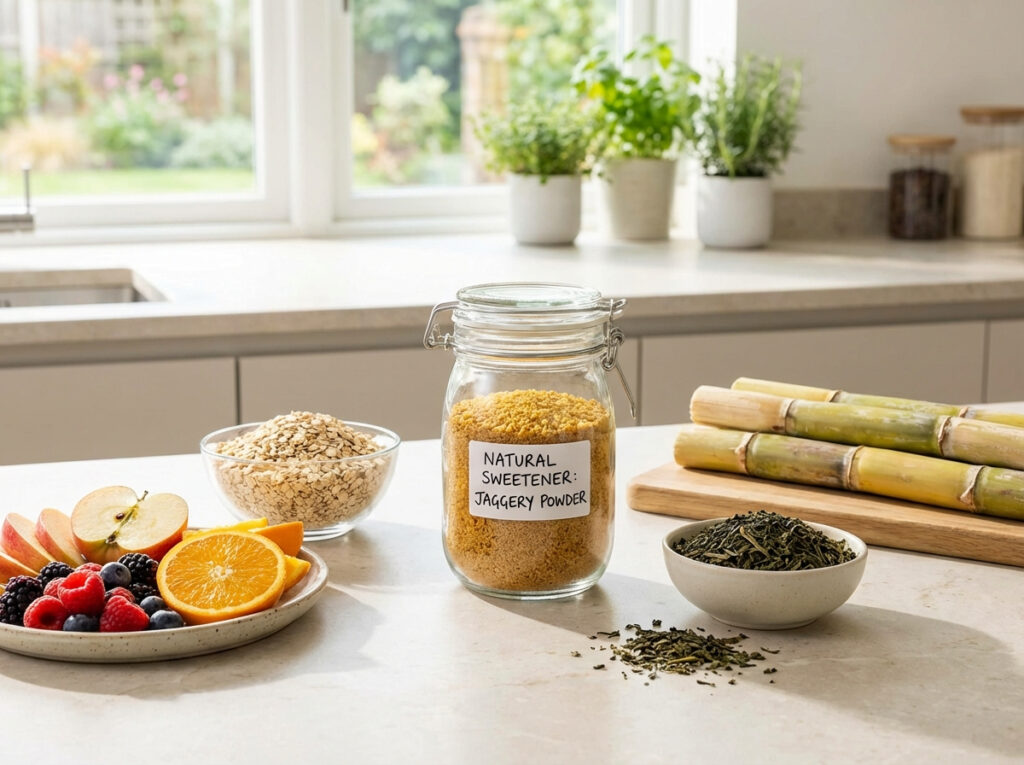
Many classic recipes become more flavorful when jaggery replaces refined sugar. Some popular options include jaggery-sweetened oatmeal, traditional Indian sweets like til laddoos, and even modern desserts like jaggery brownies.
The unique caramel-like taste of jaggery adds depth that regular sugar simply cannot replicate.
Things to Know Before Switching to Jaggery
Calorie Content and Moderation
Despite its health benefits, jaggery is still calorie-dense. A teaspoon typically contains about 15–20 calories, similar to regular sugar.
This means moderation remains essential.
How to Identify Pure Jaggery
Adulteration can be a problem in some markets. Experts recommend buying jaggery from reputable brands or certified organic sources to ensure purity.
Why the World Is Rediscovering Jaggery
The growing demand for natural foods has pushed jaggery back into the spotlight. India alone produces around 60–70% of the world’s jaggery, making it a major global supplier.
With consumers increasingly avoiding ultra-processed foods, jaggery represents a return to traditional ingredients that combine flavor, culture, and nutrition.
Conclusion
Jaggery isn’t a miracle food, but it does offer a meaningful improvement over refined sugar. Its minimal processing, natural origin, and trace minerals make it a smarter sweetener for people trying to adopt a healthier diet.
Replacing sugar with jaggery won’t instantly transform your health, but small changes in everyday ingredients can add up over time. Whether you stir it into tea, bake with it, or use it in traditional recipes, jaggery brings both flavor and tradition back into the modern kitchen.
FAQs
1. Is jaggery healthier than sugar?
Yes, jaggery contains minerals like iron, potassium, and calcium that refined sugar lacks, but both should still be consumed in moderation.
2. Can diabetics eat jaggery?
People with diabetes should be cautious. Jaggery still raises blood sugar levels and should only be consumed under medical advice.
3. Can jaggery help with digestion?
Many traditional practices suggest eating jaggery after meals to stimulate digestive enzymes and reduce bloating.
4. How much jaggery is safe to eat daily?
Nutrition experts often recommend limiting added sugars to small amounts, so jaggery should be used sparingly like any sweetener.
5. Does jaggery help boost immunity?
Jaggery contains antioxidants and minerals that support immune health, though it should not replace a balanced diet.
Ready to experience what indian exotic foods are all about? Visit Our Shop and explore our carefully sourced Assam Kaji Lemon, along side other curated products.